→ المعرض
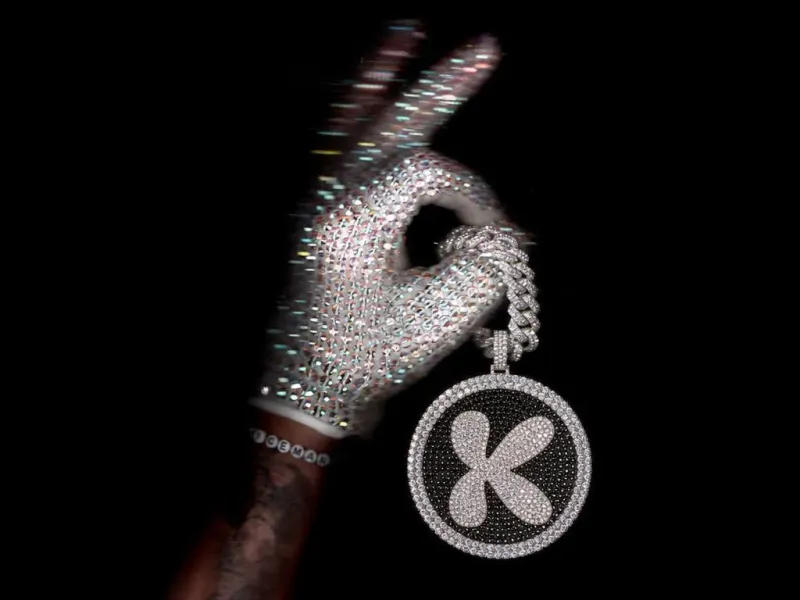
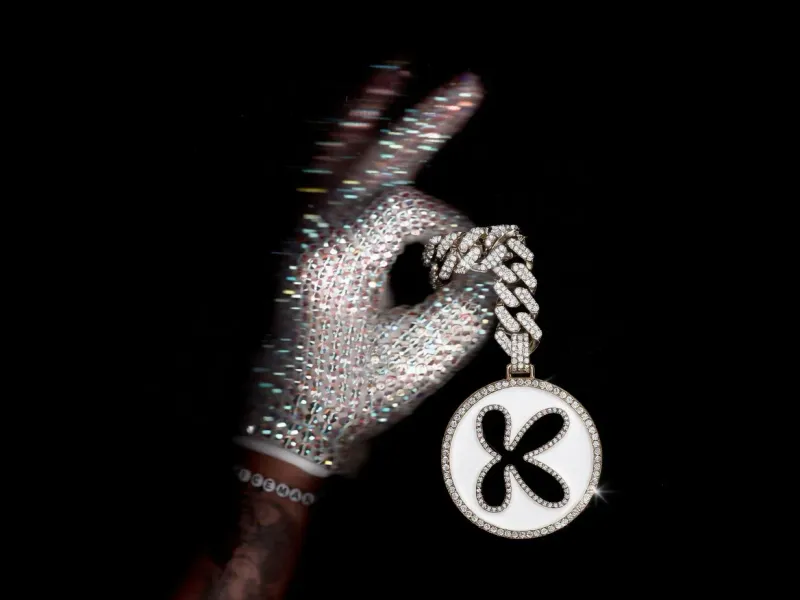
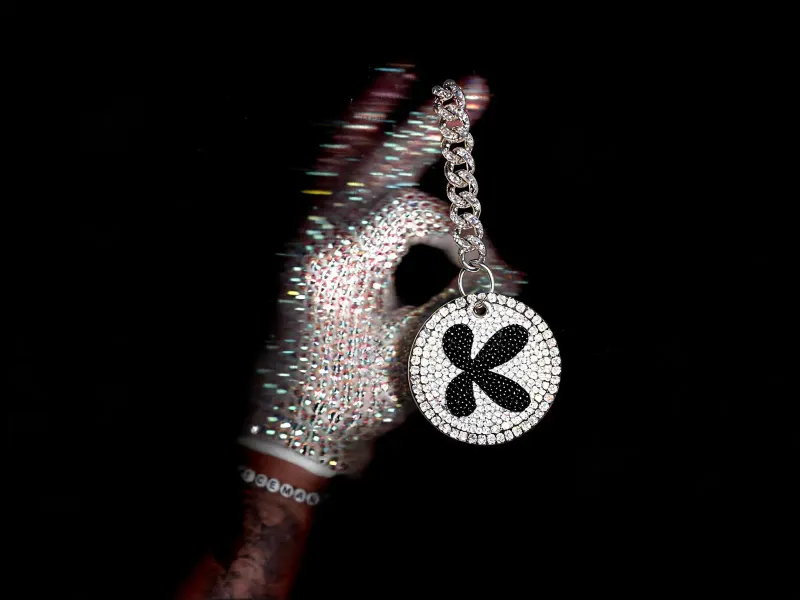
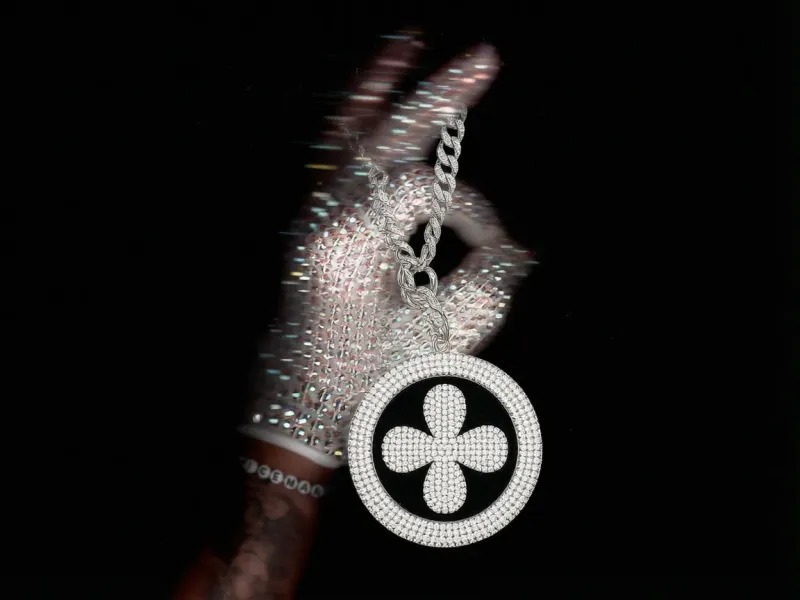
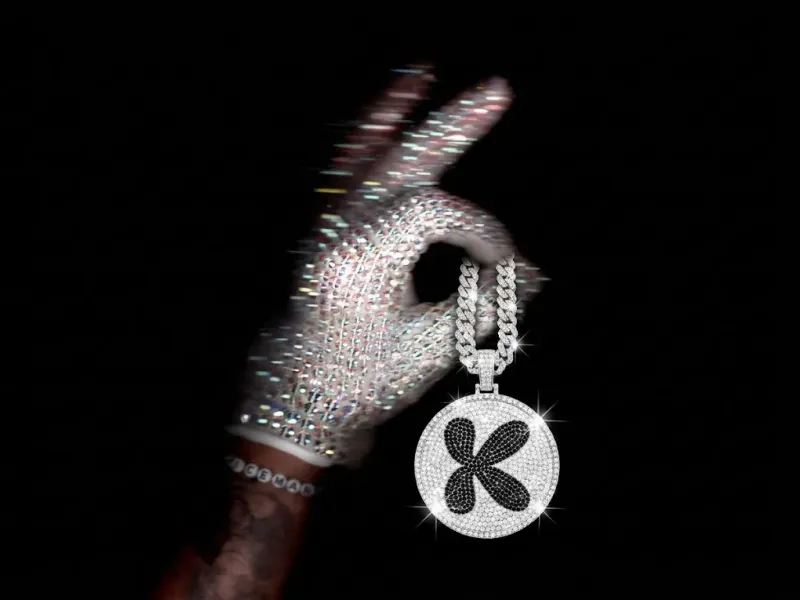
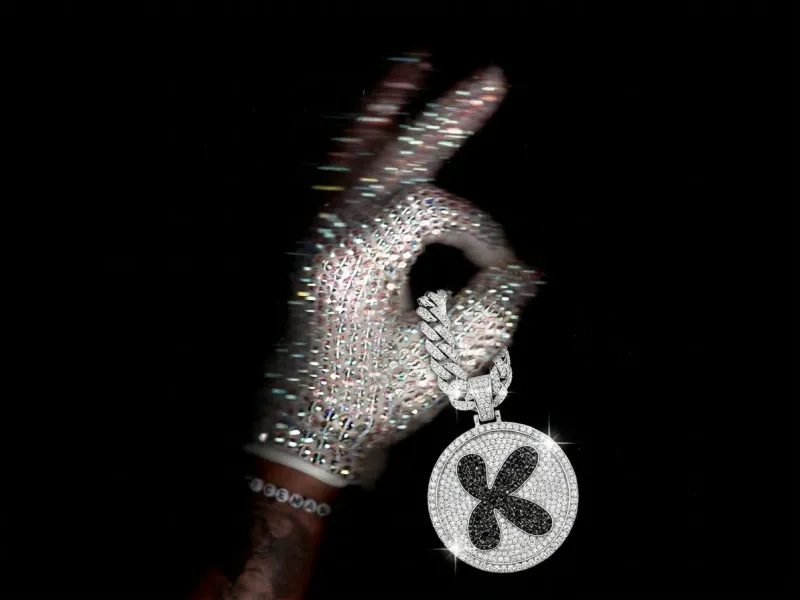
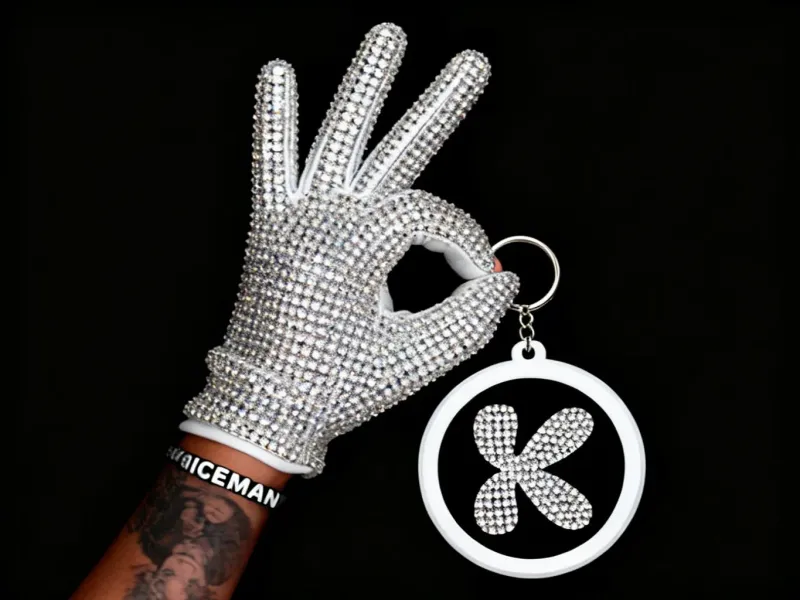
ميدالية مفاتيح مرصّعة في يد بقفاز كريستالي
تحرير صورة: ميدالية مفاتيح دائرية مرصّعة بالكامل بحبيبات لامعة وعليها شعار العلامة، تمرّ بها سلسلة ألماس سميكة عبر إبهام يد بقفاز كريستالي متلألئ — نفس التحرير مُشغَّل على عدة نماذج.
نص الموجّه
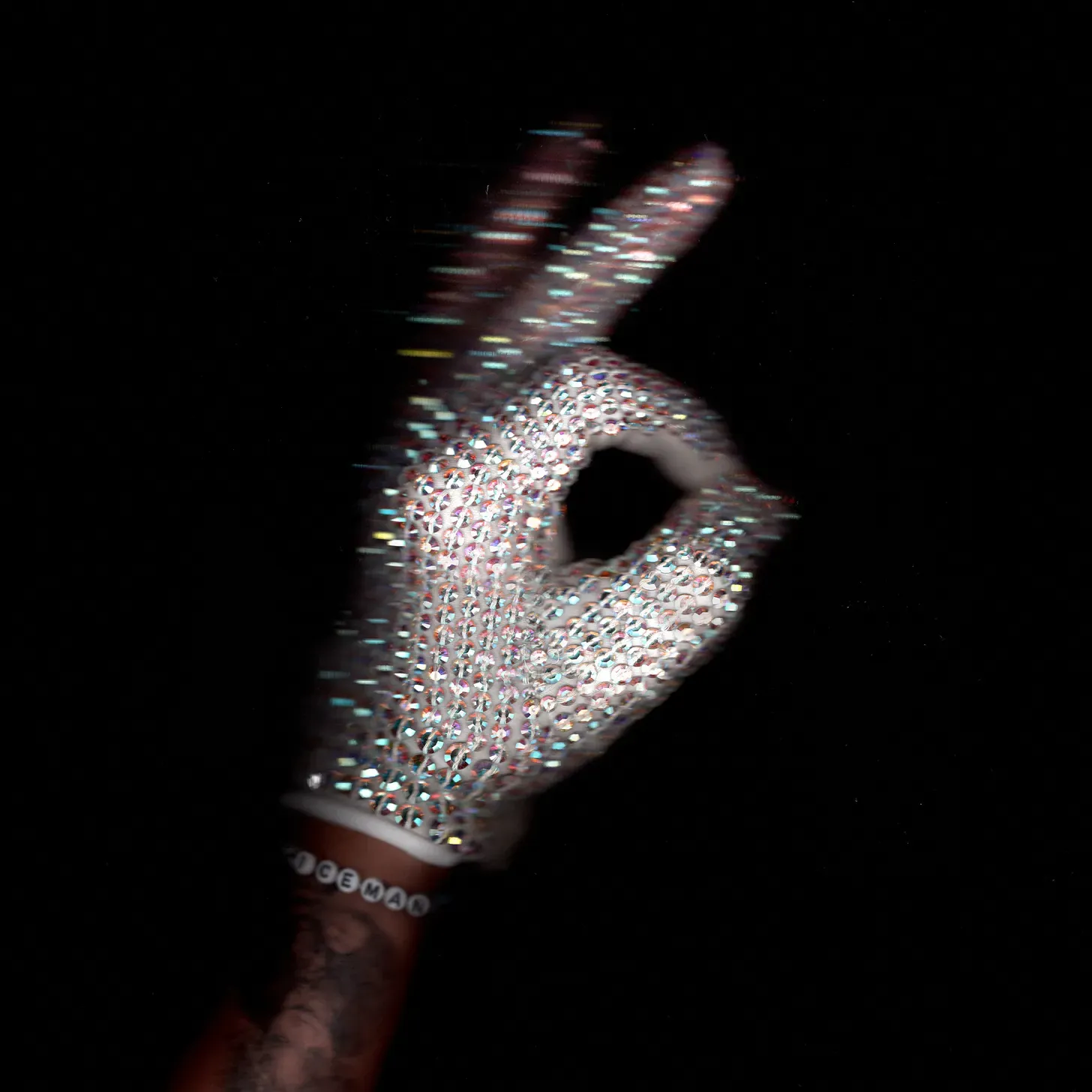
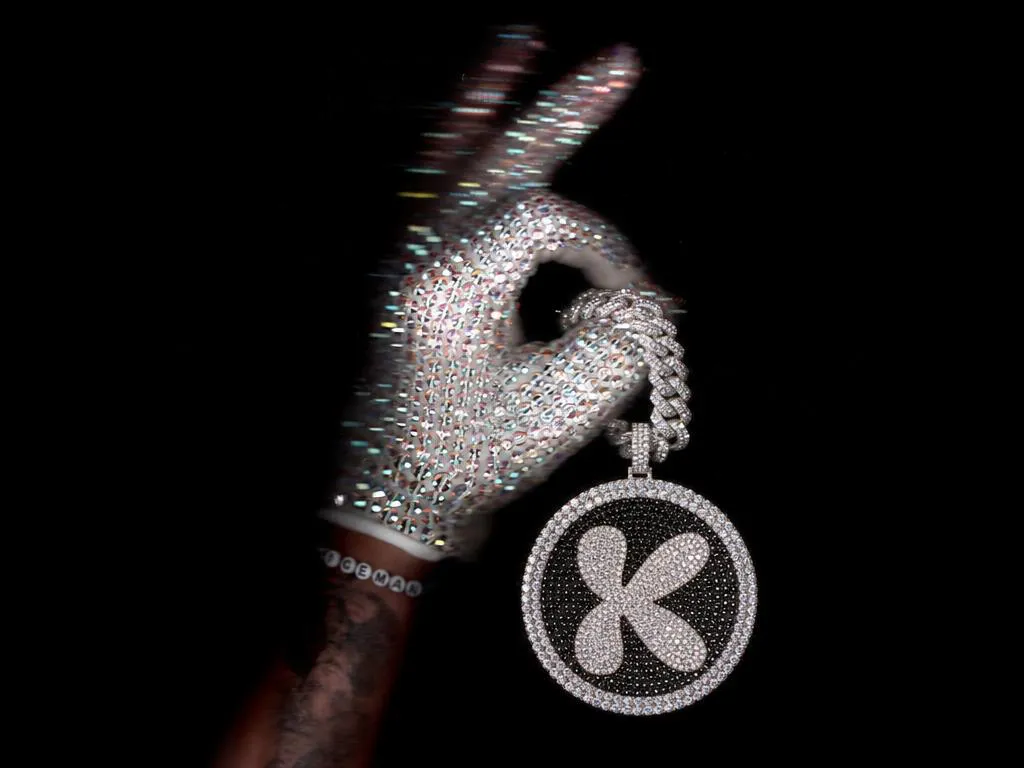
Do not change the hand or arm / composition of pic 1, add a shinning, full rhinestone keychain with thick dimond chain through the thumb, that's in the same style with the glove, using the logo in 2nd pic, the keychain should be round, white background, and inside is black, looking expensive, both background and logo are filled with rhinestone.
2 مدخلات مرجعية

7 نسخة
كل موجّهات تصوير المنتجات ←
عرض الكل ←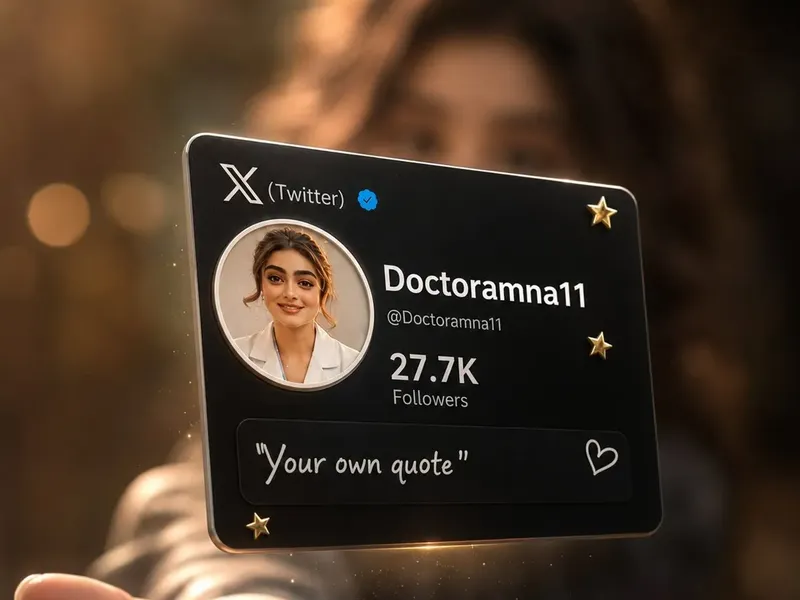
What this edit does
It takes two reference inputs — a crystal-gloved hand and a brand logo — and composites a round, fully-rhinestone keychain hanging from the glove's thumb on a thick diamond chain. The chain matches the glove's sparkle. The keychain face is black on the inside, encrusted with the logo in rhinestone. White background, no environmental dressing — just the bling.
It's a hard-mode edit prompt: two reference images, strict composition preservation ("don't change the hand or arm"), and specific material reproduction ("full rhinestone", "thick diamond chain").
When to use it
- Luxury accessories testing — does the model match texture (rhinestone glitter, chain weight) across a multi-element composite?
- Logo-into-product edits — exactly the "put my brand on this object" task brand teams hand to designers
- Composition preservation evaluation — the prompt forbids changing the hand pose, exposing models that can't respect strict input constraints
Tips for customizing
- Swap "rhinestone" with "diamond", "pearl", or "chrome" — each gives a wildly different luxury read
- Change the keychain shape: "heart-shaped", "logo-shaped", "rectangular dog tag"
- Move the placement — "through the index finger", "resting in the open palm" — to test which models can adapt the composition without losing the rest
Related
- More product photography prompts
- Compare brand-logo edit quality across our image models